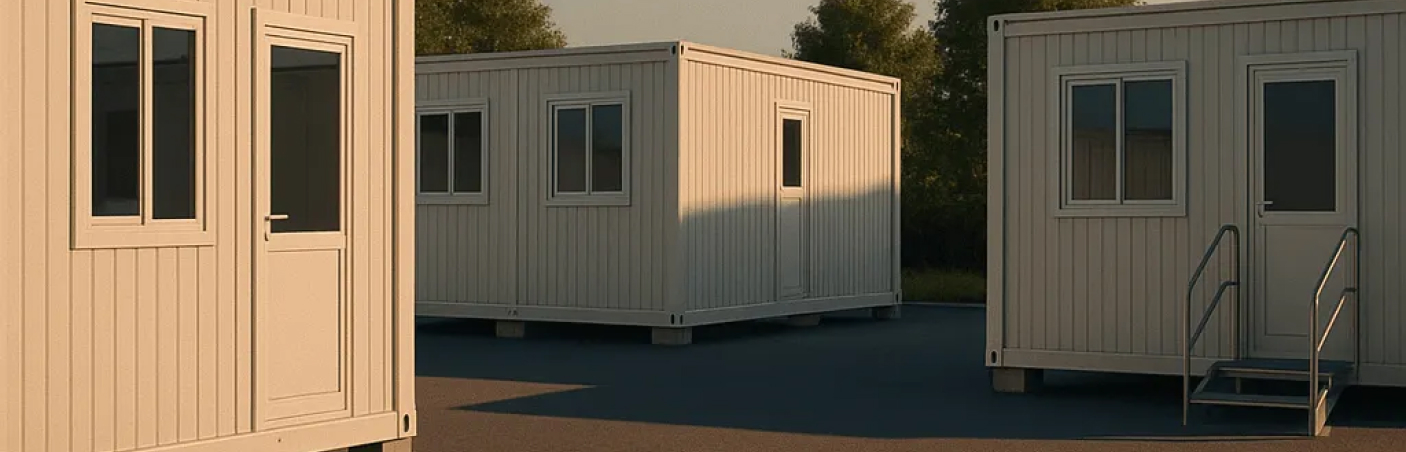
Disaster relief depends on speed, coordination, and the ability to create usable space in difficult conditions. Across the US, emergency teams often have to work in areas where buildings are damaged, local infrastructure is under pressure, and the need for support changes by the hour. In those situations, mobile cabins help response teams establish structure quickly and keep operations moving when stable facilities are unavailable.
They are useful not because they solve everything on their own, but because they give relief teams something every disaster zone needs: a practical, adaptable base. Whether the need is administration, coordination, sanitation, staff support, or temporary service delivery, mobile cabins help turn a chaotic environment into one that is easier to manage. When emergency teams have access to dependable on-site space, decision-making becomes faster, staff work more effectively, and relief efforts feel more organised from the ground up.
Why Mobile Cabins Matter in Disaster Response
In the first phase of a disaster, most attention goes to urgent action. Search and rescue, medical support, route access, temporary shelter, and public safety all take priority. But once teams arrive and operations begin, another challenge appears almost immediately: where will the work actually happen?
That question matters more than many people assume. Relief teams need space to coordinate, communicate, manage supplies, process information, support residents, and protect both staff and equipment from difficult weather conditions. In many cases, local buildings may be unusable, overcrowded, or already assigned to another emergency function. Mobile cabins help fill that gap without waiting for permanent infrastructure to recover.
They also create a stronger sense of operational order. In a disaster zone, even small improvements in structure can make a major difference. A clearly defined work area helps teams function more efficiently and reduces confusion in high-pressure conditions. For decision-makers, that kind of reliability matters just as much as speed.
Key Ways Mobile Cabins Support Field Operations
- They provide a quick base for coordination when local buildings are damaged or unavailable.
- They give emergency managers, contractors, and field teams a defined place to work instead of relying on improvised setups.
- They can be used for registration, documentation, supervision, communications, and staff support.
- They help separate different operational functions so relief efforts do not become disorganised.
- They reduce pressure on schools, clinics, municipal buildings, and other local spaces that may already be under strain.
- They support longer deployments by giving teams a more stable environment for daily work.
- They make it easier to expand operations as response shifts into recovery.
In disaster relief, having a usable space on site is not just a convenience. It often determines how organised the entire operation feels and how effectively teams can respond over time.
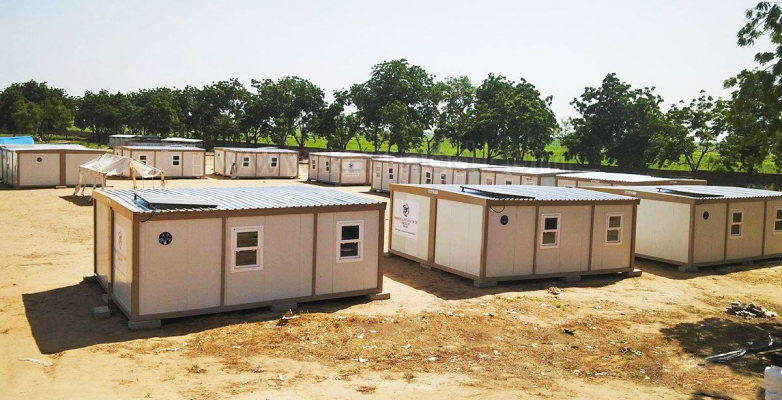
Supporting Command, Coordination, and Communication
One of the most important uses of mobile cabins in disaster response is as a coordination point. Emergency operations rely on communication between field teams, supervisors, local authorities, contractors, and service providers. Without a structured place to manage those connections, response work can quickly become fragmented.
A mobile cabin gives teams a reliable area where decisions can be made, information can be reviewed, and operational updates can be shared. Instead of relying on temporary outdoor setups or trying to work around damaged facilities, teams have a clearer base for ongoing coordination. This becomes especially important during long days in unstable weather or in locations where movement across the site is difficult.
In practical terms, this means fewer delays, better communication, and a stronger sense of control. Even a modest cabin can improve the daily rhythm of a response operation by giving people a fixed place to work from rather than forcing them to adapt constantly to unstable surroundings.
Helping Relief Teams Stay Effective Over Time
Disaster response is rarely over in a day or two. In many parts of the US, response quickly shifts into a longer phase that includes inspections, temporary service delivery, public support, contractor coordination, and site recovery. Mobile cabins remain useful during that transition because they can keep supporting teams even after the most urgent phase has passed.
This is one of their biggest strengths. A structure that works during the first days of deployment can often continue serving through the next stages of the operation. It can be used as a field office, a staff base, a supply checkpoint, or a point for administrative support while recovery work expands.
That continuity matters. Relief operations are easier to manage when teams do not have to rebuild their working environment every time the mission changes. Mobile cabins help create a smoother shift from emergency response into practical recovery.
Flexible Uses Across Different Disaster Scenarios
Disaster operations vary widely across the US. A hurricane response on the coast does not look the same as flood recovery inland or wildfire support in remote areas. That is one reason mobile cabins are so valuable. They are flexible enough to support different operational needs depending on the type of disaster, location, and stage of response.
In one case, a cabin may serve as a local command point. In another, it may be better suited to staff rest support, registration, temporary services, or secure storage. This flexibility is especially useful when teams need solutions that can adapt as conditions change instead of remaining limited to one single use. A modular option such as Mobo Cabin fits well into this kind of environment because disaster relief often requires practical spaces that can respond to changing priorities on the ground.
That adaptability also helps planners avoid overcommitting too early. Instead of trying to predict every possible need in advance, they can establish useful infrastructure that supports multiple functions as operations become clearer.
The Role of Sanitation and Accessible Support
Sanitation is sometimes treated as secondary in public conversations about disaster relief, but in the field it becomes essential very quickly. Responders need practical hygiene support, and affected communities often need accessible facilities while local infrastructure is being restored. If sanitation is overlooked, small problems can turn into larger operational issues in a short time.
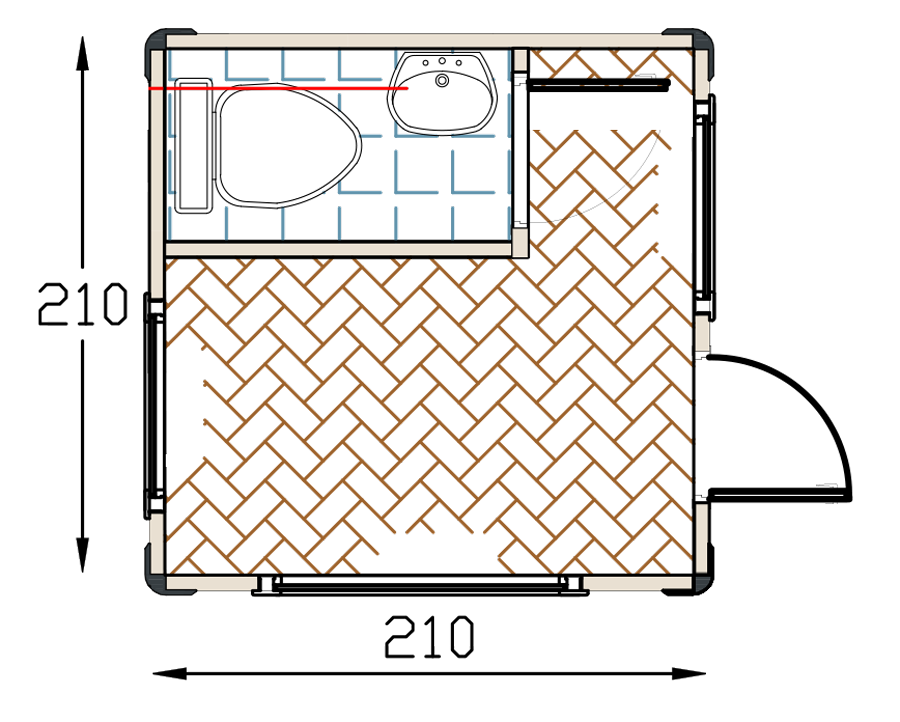
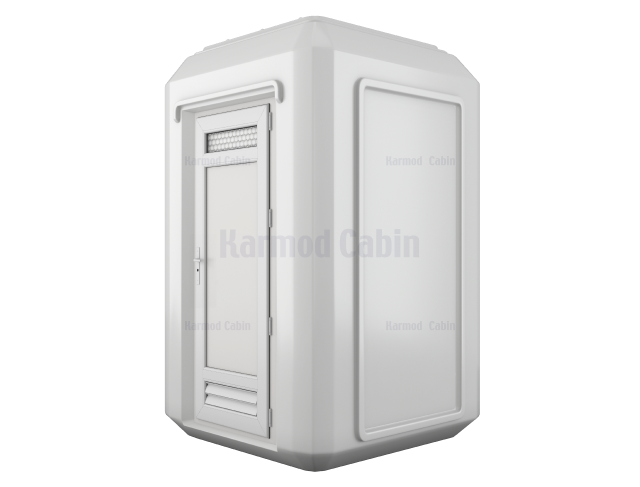
That is why mobile support structures matter beyond office use. A solution such as Disabled WC Cabin can play an important role when response teams need to include accessible sanitation as part of the site from the beginning. This is especially relevant in relief environments where people may already be dealing with stress, displacement, limited mobility, or disrupted services.
When accessible and hygienic facilities are built into the setup early, the entire site works better. Teams can support a broader range of needs, and the operation feels more complete and more practical for everyone involved.
Why Durability Matters During Recovery
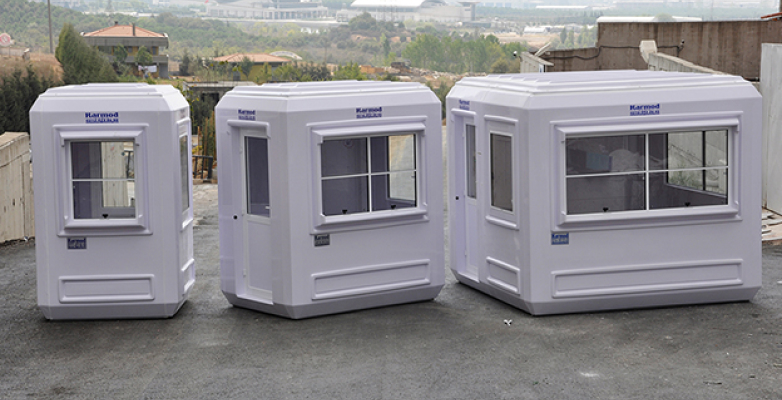
As response moves into recovery, the demands on temporary structures often increase rather than decrease. Teams may be working longer shifts, handling more paperwork, coordinating contractors, or meeting with residents over an extended period. At that stage, a stronger and more enclosed structure becomes even more valuable.
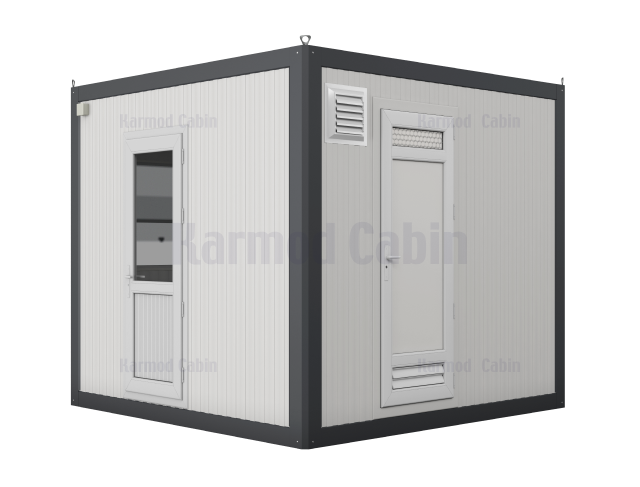
Durability matters because recovery work places constant pressure on the physical environment. Weather, repeated use, equipment handling, and day-to-day operations all affect how well a structure performs. A more robust option such as Sandwich Panel Cabin can make sense in this context because it supports longer use and provides a more dependable interior environment for ongoing operations.
This is particularly important in regions where recovery takes time and relief teams need a space that feels stable, secure, and suitable for daily work. A disaster response site may begin with urgent improvisation, but long-term recovery works better when core spaces feel reliable.
Building Trust Through Better Organisation
People affected by disasters notice whether a relief operation feels organised. They may not focus on the structures themselves, but they do notice whether the site is clear, whether staff seem coordinated, and whether support feels accessible. A well-placed mobile cabin contributes to that impression because it gives the operation a visible sense of order.
That trust matters for both responders and communities. For teams, organised space improves workflow and reduces friction. For residents, it signals that the relief effort has a process and a direction. In uncertain conditions, even that visual sense of stability can be meaningful.
Mobile cabins are not the entire solution in disaster response, but they often become one of the practical elements that make everything else work better. They support people, systems, and daily operations at the moment when dependable space is hardest to find.
Across the US, disaster relief operations have to function in very different environments, from hurricane zones and flood areas to wildfire-affected regions and severe storm corridors. In each case, teams need more than urgency and manpower. They need practical spaces that support coordination, continuity, hygiene, communication, and recovery planning.
Mobile cabins are valuable because they help create that structure quickly and adapt as the mission changes. They support immediate response, strengthen field operations, and continue adding value as recovery moves forward. In high-pressure situations where stable infrastructure may be damaged or unavailable, that kind of support is not optional. It is part of what helps relief operations stay functional, efficient, and ready for the work ahead.


 EN
EN
 DE
DE
 ES
ES
 PT
PT
 RU
RU
 AR
AR
 GR
GR
 RO
RO
 KA
KA
 CS
CS