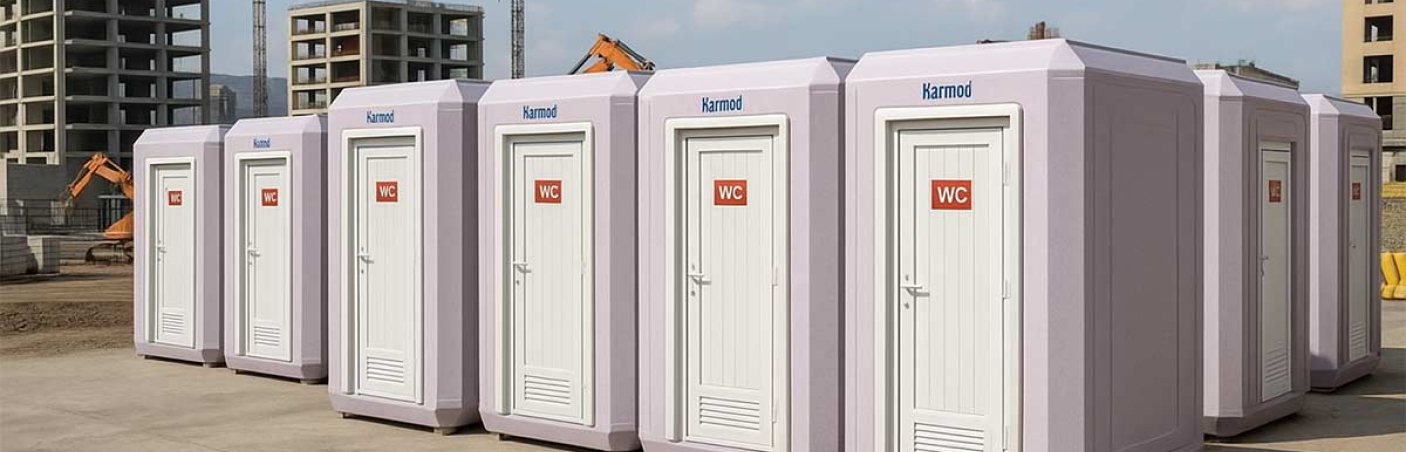
Festival organisers usually spend most of their time on the parts of an event that feel visible and exciting. They think about stage locations, food vendors, sponsor zones, entry points, artist logistics, branding elements, crowd movement, and security planning. All of that matters, of course. But from a guest’s point of view, the real quality of a festival often comes down to the details they interact with over and over again. Restrooms, showers, queues, cleanliness, privacy, and convenience all shape how comfortable the event feels from the first hour to the last.
That is why portable toilets and showers should never be treated as an afterthought. At one-day events, they influence flow and comfort. At weekend festivals and camping events, they can affect the entire reputation of the site. Guests may forgive bad weather, long walks, or even delayed performances. They are much less forgiving when toilet areas feel overcrowded, unclean, badly placed, or poorly maintained.
If hygiene facilities are planned properly, guests notice the difference immediately, even when they do not consciously think about the structures themselves. Clean, well-positioned, and regularly serviced units help people stay longer, move more comfortably, and enjoy the event with fewer frustrations. When these basics are ignored, complaints start early and spread fast.
Why Festival Hygiene Facilities Matter More Than Ever
Expectations have changed. Festivalgoers no longer see temporary toilets and showers as rough, unavoidable extras. They expect them to be functional, hygienic, and easy to use. They want clear access, reasonable waiting times, working locks, stocked handwashing points, and shower areas that feel private rather than improvised. Even at informal outdoor events, people still judge the professionalism of the organiser by how well these facilities are handled.
This is especially important for multi-day events. Once guests are staying on site for long periods, hygiene becomes part of the experience rather than a support service in the background. A shower block that is difficult to access or poorly maintained quickly becomes part of the negative story people tell afterwards. The same is true for toilets placed too far from key zones or left without regular servicing during peak hours.
Well-managed hygiene areas also support the rest of the event. They reduce unnecessary crowd build-up, prevent guest frustration from spilling into other parts of the site, and help staff spend less time dealing with avoidable complaints. Good festival planning is often about preventing small issues from becoming visible problems. Toilet and shower arrangements are a perfect example of that principle.
Planning for Capacity, Flow, and Real Guest Behaviour
One of the most common mistakes in festival planning is to think only in terms of attendance numbers. Headcount matters, but it is not enough on its own. Organisers also need to understand how people will move, gather, wait, eat, drink, camp, and return to the same zones during the day. A family festival behaves differently from a music festival. A sports event has different peak usage times from a late-night food event. A one-day city festival needs a different approach from a rural weekend event with overnight stays.
Toilets and showers should be placed according to actual behaviour, not just available space on a site map. Guests do not want to walk too far for basic needs, and they do not want to discover that every nearby unit is congested after headline acts, meal periods, or campsite check-ins. Positioning should reflect pressure points across the event, including entrances, food areas, stage zones, camping sections, and quieter support areas.
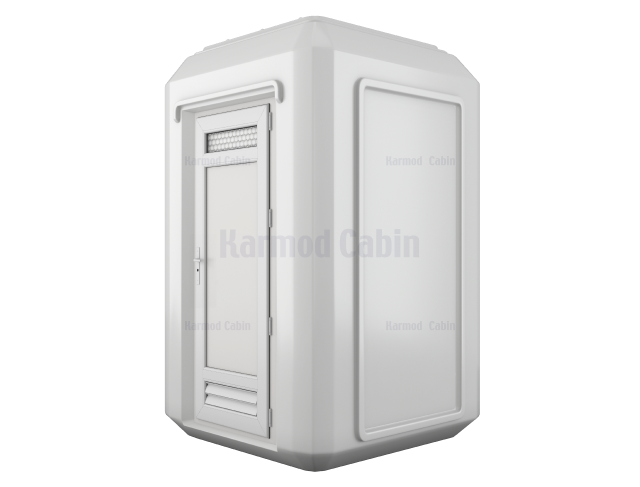
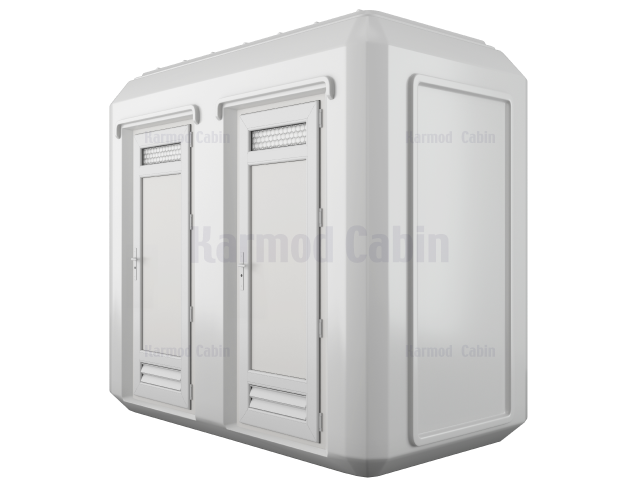
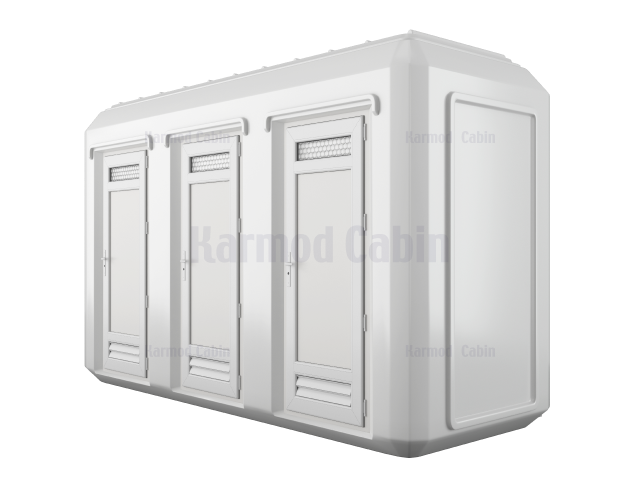
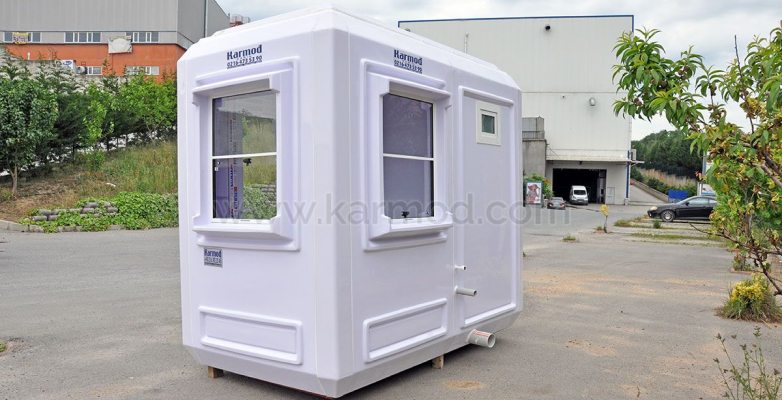
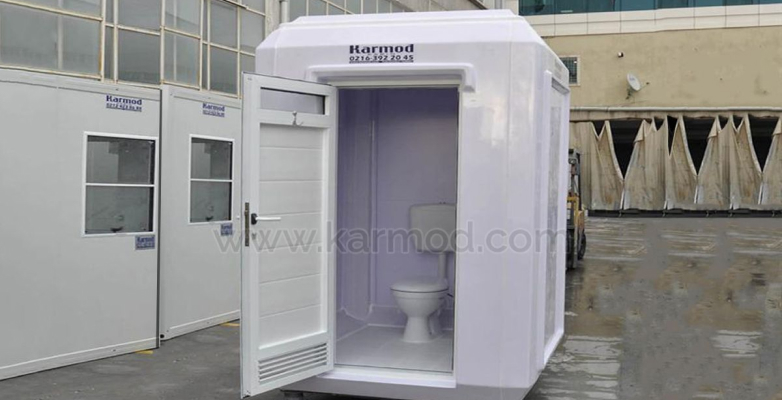
This also means that unit type matters just as much as quantity. Basic units may cover one part of the need, while more structured solutions may be better suited to premium zones, longer-duration events, or areas where user comfort has a stronger effect on perception. Getting this balance right often says more about the event’s planning quality than the total number of units on site.
Cleanliness Is What Guests Actually Remember
Guests do not judge hygiene facilities by the specification sheet. They judge them by the experience of using them. Does the space look clean? Is it being serviced regularly? Are supplies available? Do the doors close properly? Is the queue manageable? Does the area smell neglected? These are the questions that matter in real life.
A portable toilet can look acceptable at the start of the day and still perform badly by the afternoon if there is no proper maintenance routine behind it. The same goes for showers. Without a clear servicing schedule, water management plan, and cleaning rotation, even a well-designed setup can start to feel chaotic after a few hours of high use.
The strongest festival hygiene strategy is not the one that looks good on delivery day, but the one that still works well under pressure. That is what separates a basic short-term installation from a genuinely reliable event solution. Organisers who understand this usually plan hygiene as an active operational system, not a static product drop.
That approach also supports reputation. Guests are much more likely to speak positively about a festival when the essentials feel under control. They may not post about a toilet area directly, but they will absolutely mention when the overall site felt clean, easy to navigate, and thoughtfully organised.
Accessibility Should Be Built Into the Main Layout
Accessibility should never feel like something added to satisfy a requirement at the last minute. If a festival is meant to welcome a broad audience, then accessible hygiene solutions need to be part of the main site logic from the beginning. That includes location, routes, visibility, surrounding surfaces, and proximity to high-use areas.
This is where Disabled WC Cabin becomes highly relevant in a festival setting. It is not simply about having an accessible unit somewhere on the grounds. It is about making sure guests can find it easily, approach it comfortably, and use it without unnecessary difficulty or separation from the wider event experience.
A well-planned accessible setup also improves the site for everyone. Clearer routes, better spacing, and more thoughtful placement usually create a smoother environment overall. In that sense, accessibility planning is not separate from guest satisfaction. It is one of the most practical expressions of it.
Portable Showers Need More Than Just Water Supply
Many organisers underestimate shower planning because they assume it begins and ends with availability. In reality, guests notice far more than whether a shower exists. They notice privacy, layout, ease of access, drainage, comfort, cleanliness, and whether the space still feels usable after repeated demand. This matters especially at camping festivals, sports events, long-format cultural gatherings, and staff-supported sites where people rely on showering as part of staying on site comfortably.
The physical quality of the structure makes a major difference here. Enclosed, durable, and easy-to-maintain systems create a more dependable experience than makeshift arrangements that quickly start to feel overused. In this context, Sandwich Panel Cabin can fit naturally into event planning where durability, enclosed comfort, and a more robust modular layout are needed.
Showers also need to be treated as part of zone planning. They work best when supported by enough surrounding space for circulation, cleaning access, and operational checks. If they are squeezed into a leftover area without thought for movement or servicing, guests feel that immediately. What should feel like a practical amenity starts to feel like a compromise.
Operational Support Around Hygiene Zones Matters Too
Guests see the front-end experience, but the quality of that experience depends heavily on what happens behind the scenes. Hygiene zones need active oversight. Staff must be able to restock supplies, monitor queues, respond to issues quickly, and keep the area from deteriorating during high-traffic periods. Without that support, even a good product mix can underperform.
This is why support structures near busy zones can be useful within larger event layouts. A nearby Safety Cabin can support coordination, supervision, and faster operational response in areas where footfall is high and problems need to be solved before they become visible to guests. That kind of support can make a major difference during peak periods when delays, shortages, or maintenance issues can quickly affect the mood of the site.
From the organiser’s perspective, this is about control. From the guest’s perspective, it is about consistency. When hygiene areas remain clean, stocked, and manageable throughout the day, the event feels more serious, more reliable, and better run.
Better Hygiene Standards Lead to Better Festival Perception
Festival success is not shaped only by entertainment value. It is shaped by how comfortable the event feels to attend. People remember whether they could move around easily, whether the site felt cared for, whether queues were reasonable, and whether the practical side of the event matched the promise of the marketing.
Portable toilets and showers play a bigger role in that perception than many organisers first assume. They influence comfort, reputation, and how long people are willing to stay on site without frustration. They also affect whether guests talk about the event in a positive way afterwards.
A strong festival setup does not need to make hygiene facilities feel luxurious for the sake of it. It simply needs to make them feel clean, accessible, dependable, and suitable for the scale of the event. That is what people expect now, and in a crowded market, meeting that expectation is part of delivering an event that feels worth returning to.


 EN
EN
 DE
DE
 ES
ES
 PT
PT
 RU
RU
 AR
AR
 GR
GR
 RO
RO
 KA
KA
 CS
CS