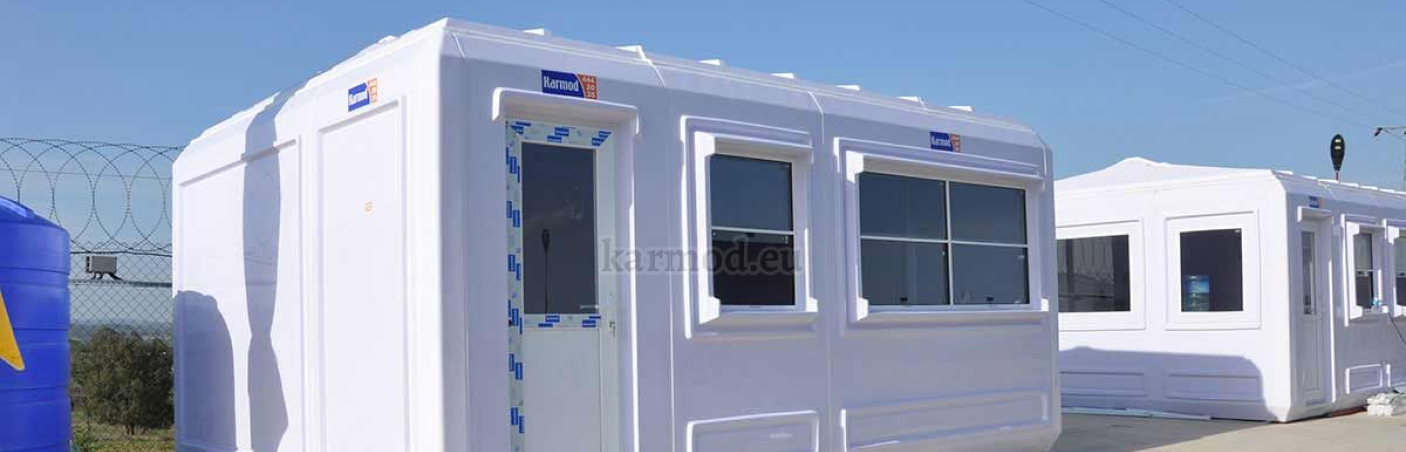
When emergency response teams are deployed, the first challenge is not always medical equipment or staffing. Very often, it is space. Teams need a clean, organised, and usable environment where they can triage patients, coordinate care, handle documentation, support staff, and continue operations when hospitals, clinics, or local facilities are under pressure. Across the US, emergency planning frameworks already assume that disaster response may require temporary medical care sites and alternative facilities, especially when permanent infrastructure is damaged, overloaded, or inaccessible.
That is where temporary medical cabins become especially valuable. They give response teams something they often need immediately but cannot build from scratch in the field: a dependable medical workspace. Whether the incident involves hurricanes, floods, wildfires, severe storms, public health surges, or large-scale evacuations, rapid-deployment cabins help transform an unstable site into a functional medical support environment.
In emergency response, speed matters, but usable clinical space is what turns speed into real operational capability.
Why Temporary Medical Cabins Matter in Emergency Response
Emergency teams cannot work effectively if they are forced to improvise every part of their environment. In the early hours of an incident, field crews may still be assessing damage, coordinating transport, supporting evacuations, or treating patients outside traditional care settings. A temporary medical cabin helps create order in that environment by providing a defined space for treatment, triage, clinical assessment, medical supervision, or support operations.
This matters because response work becomes more effective when teams have a base that supports workflow rather than slows it down. Instead of relying entirely on tents, borrowed rooms, or damaged facilities, crews can work from a space designed to stay functional under pressure. ASPR and FEMA materials both reflect the reality that emergency medical care may need to continue through temporary facilities, mobile units, or alternative treatment sites when events strain the normal healthcare system.
Temporary medical cabins also improve continuity. A response operation may begin with urgent field treatment, then quickly shift into stabilisation, patient processing, staff rotation, care coordination, and administrative follow-up. Having a dedicated cabin allows teams to keep those functions moving without rebuilding their setup every time the operation evolves.
What Emergency Teams Need From a Rapid-Deployment Medical Unit
- Fast setup so medical teams can establish working space without waiting for permanent facilities
- A clear internal layout for triage, patient assessment, treatment support, and documentation
- Protection from weather, site disruption, and unstable field conditions
- Space for supplies, equipment, and controlled day-to-day workflow
- A structure that can support both immediate response and longer recovery periods
- Practical integration with sanitation, staff support, and site coordination needs
- Flexibility to serve different roles depending on incident type and operational pressure
A temporary medical cabin is most useful when it supports both clinical function and operational discipline at the same time.
Supporting Triage, Stabilisation, and Patient Flow
One of the clearest use cases for a temporary medical cabin is triage. In a fast-moving emergency, teams need a place where patients can be received, assessed, prioritised, and directed efficiently. That process becomes much harder when it happens in open or poorly structured areas. A cabin creates a more controlled setting where staff can focus on patient flow rather than basic environmental limitations.
It also helps with stabilisation and short-duration care support. Not every emergency patient needs hospital admission immediately, but many still need assessment, monitoring, or early intervention before transport or referral. In those moments, a defined medical space reduces friction for the team and gives patients a more organised care experience.
This is especially relevant during surge conditions. ASPR preparedness guidance explicitly includes alternative medical care facilities and sites where definitive medical care may be provided during emergencies, which reinforces the operational value of temporary medical structures when normal systems are stretched.
Creating a More Reliable Base for Medical Teams
Emergency response is demanding not only for patients, but also for the clinicians, medics, EMS personnel, and support staff working on site. They need environments where they can document cases, review plans, secure medical supplies, communicate with supervisors, and move between tasks without constant disruption.
A temporary medical cabin improves that daily rhythm. It creates a place where people can work with more consistency, even when the surrounding environment is unstable. This is one of the main reasons rapid-deployment medical spaces are so effective: they do not just provide shelter, they support workflow.
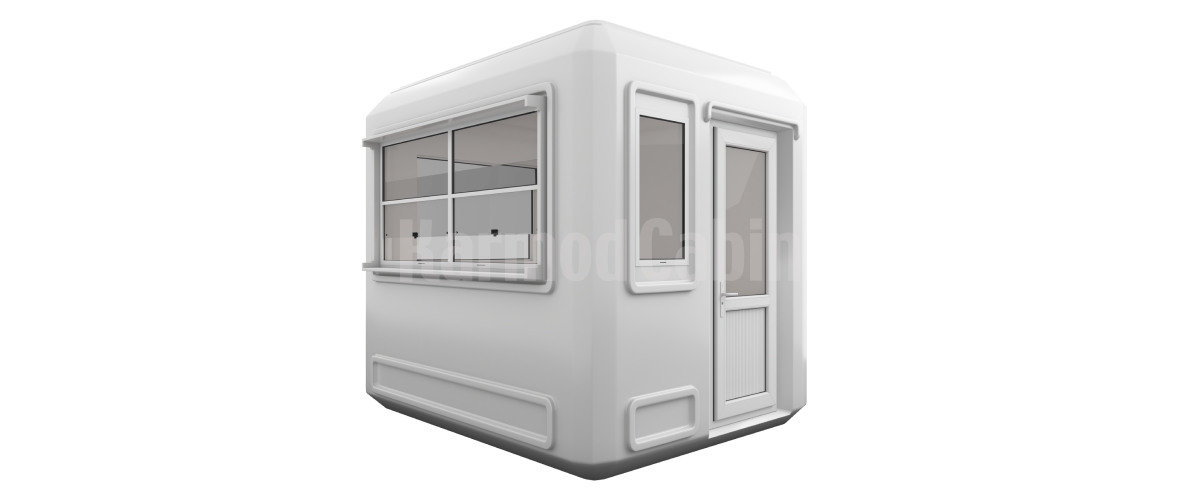
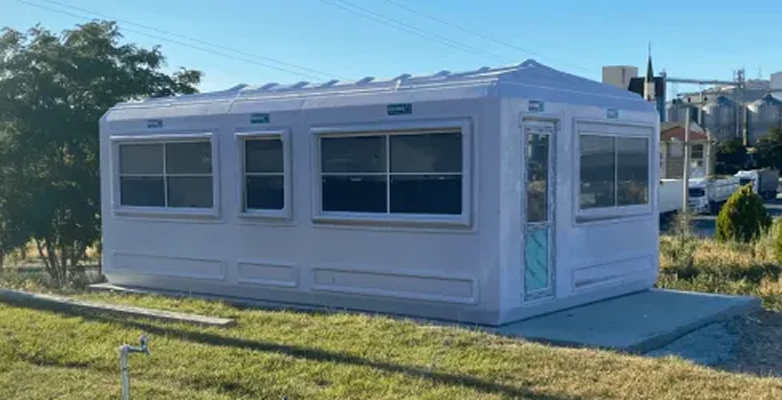
Depending on the size and structure of the operation, a flexible modular solution such as Mobo Cabin can fit naturally into this kind of emergency use. In field conditions, adaptable space matters because the same unit may need to support intake, treatment support, temporary supervision, or coordination functions as the incident develops.
Why Durability and Enclosure Matter in Medical Settings
Medical response teams cannot depend on fragile or poorly protected working conditions for long. Weather, dust, unstable ground, repeated use, and long operational hours all place pressure on temporary infrastructure. A medical cabin needs to do more than appear available on site. It has to remain functional after repeated patient use, staff movement, equipment handling, and routine cleaning.
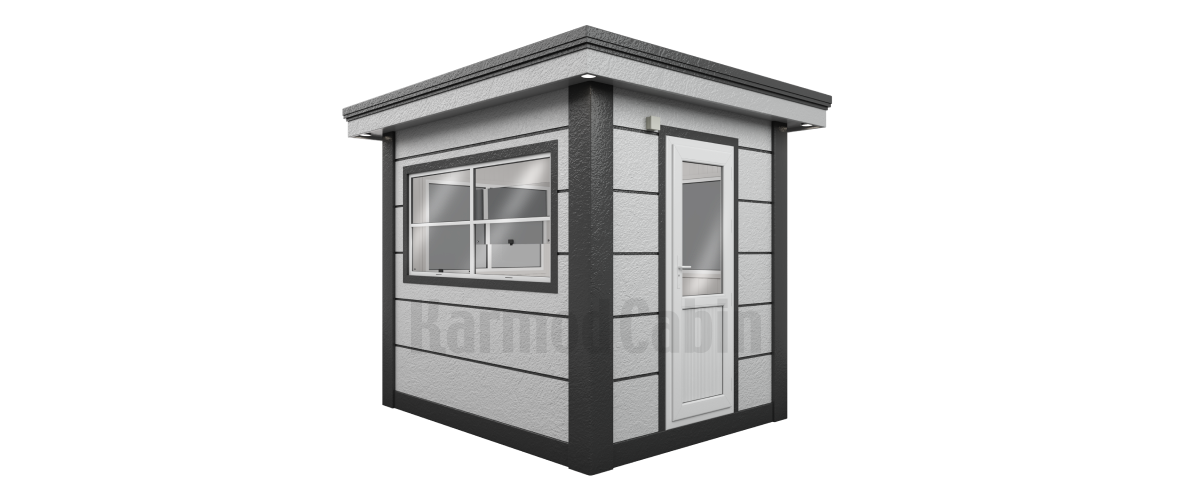
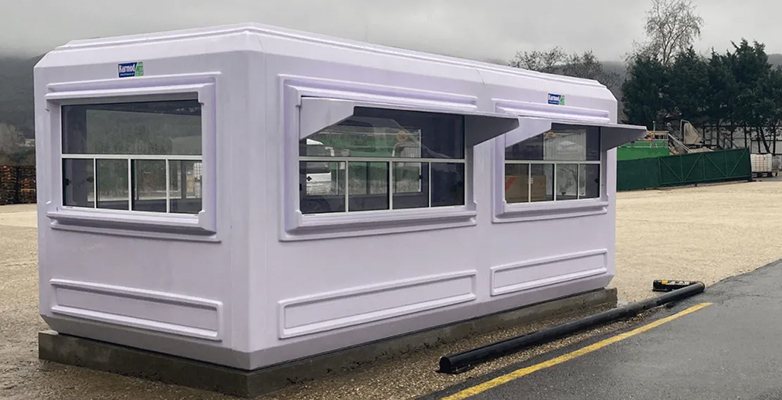
That is why durability matters. In many response environments, a more enclosed and robust structure offers a major advantage over lighter short-term setups. A stronger modular option such as Sandwich Panel Cabin may be especially relevant when emergency teams need a more dependable interior environment for ongoing medical use, staff protection, or longer deployments.
The value here is practical. When the space feels stable, teams can focus more fully on care delivery. When it feels temporary in the worst sense of the word, the environment itself starts creating operational problems.
Medical Support Works Better When Sanitation Is Planned Too
Medical response cannot be separated from sanitation. Temporary treatment spaces, staff welfare, and patient flow all depend on practical hygiene support around the site. If sanitation is treated as a secondary issue, the entire medical setup becomes harder to manage.
That is one reason accessible hygiene planning matters in parallel with temporary medical cabins. A solution such as Disabled WC Cabin can support emergency sites that need accessible sanitation for patients, staff, or affected community members from the beginning of deployment. This is particularly important in incidents involving elderly populations, injured individuals, displaced residents, or public-facing medical support points.
Medical response sites function better when treatment space, sanitation, and accessibility are planned as one connected system rather than as separate tasks.
Useful Across Different US Emergency Scenarios
The strength of temporary medical cabins is not tied to one type of incident. They are useful because they adapt well across different response conditions in the US. During hurricane response, they can support triage, assessment, and relief-site care where hospitals or clinics are disrupted. During wildfire operations, they can help provide treatment support and protected workspace in remote or high-pressure areas. During floods and storm recovery, they can serve as temporary medical points while communities wait for full service restoration.
They are also relevant in broader health emergencies and surge events. ASPR TRACIE resources specifically identify mobile medical units and temporary hospital resources as part of the emergency preparedness conversation for hospitals and response planners, which shows how established this need already is in the emergency response landscape.
What changes from incident to incident is not the need for usable space, but the exact function that space serves. That is why rapid-deployment cabins remain so valuable. They provide medical teams with a practical operational platform even when the wider environment is changing by the hour.
Temporary medical cabins matter because they help emergency response teams start working faster and keep working more effectively. They support triage, treatment flow, staff coordination, and operational continuity at the exact moment when dependable space is often hardest to find.
For US emergency response teams, the value is simple: these cabins make it easier to establish functional medical capacity in unstable conditions. They do not replace the wider response system, but they strengthen it by giving medical teams a space that supports real work from the first stage of deployment through longer-term recovery.
In emergency care, rapid deployment is important. But rapid deployment only becomes meaningful when the space on the ground is ready to support the people delivering that care.


 EN
EN
 DE
DE
 ES
ES
 PT
PT
 RU
RU
 AR
AR
 GR
GR
 RO
RO
 KA
KA
 CS
CS