Why Handicap Walk In Showers Matter in Accessible Restroom Planning
A handicap walk in shower is not only a bathroom feature. For many users, it can be the difference between a stressful daily routine and a safer, more comfortable bathing experience. Seniors, wheelchair users, patients, caregivers and people with limited mobility often need more than a standard shower space. They need easier entry, better balance support, enough room to move and a layout that reduces unnecessary risk.
In 2026, accessible shower planning is becoming more important for homes, healthcare areas, public facilities, event sites, field operations and temporary support spaces. The goal is not just to install a shower. The goal is to create a bathing area that real people can use with more confidence.
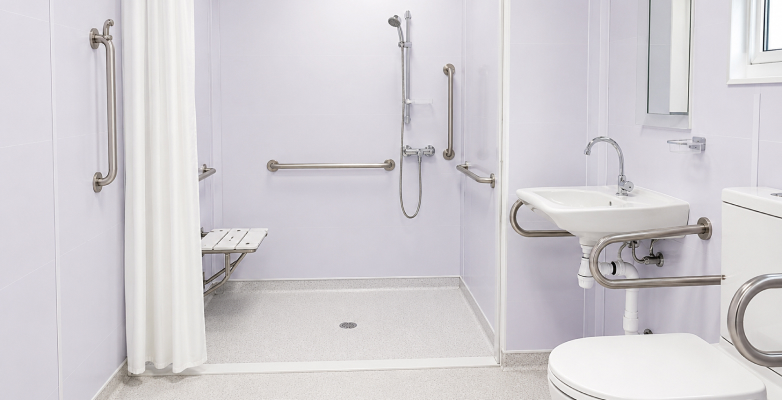
A well-planned walk in shower should consider entry height, floor surface, drainage, seating, grab bars, privacy, caregiver access and cleaning needs. These details matter because accessibility is not a single product feature. It is the way the whole space works together.
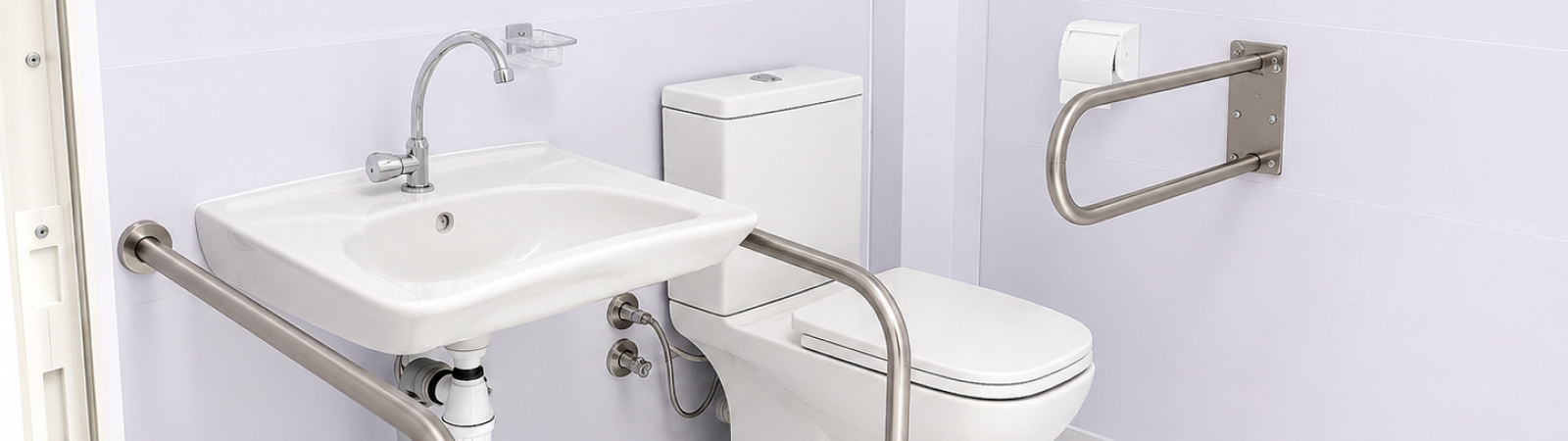
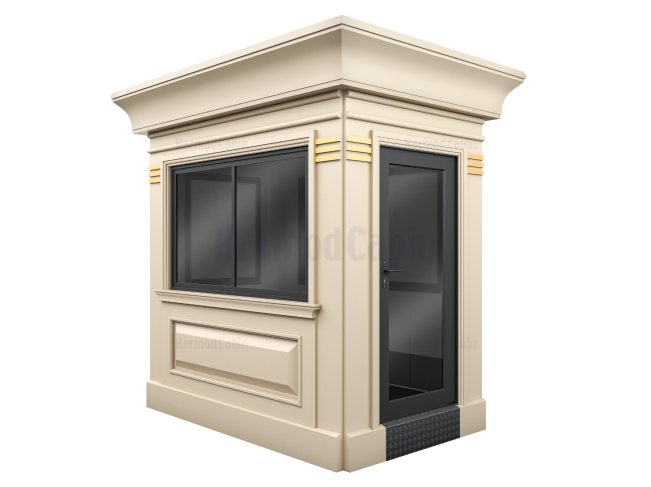
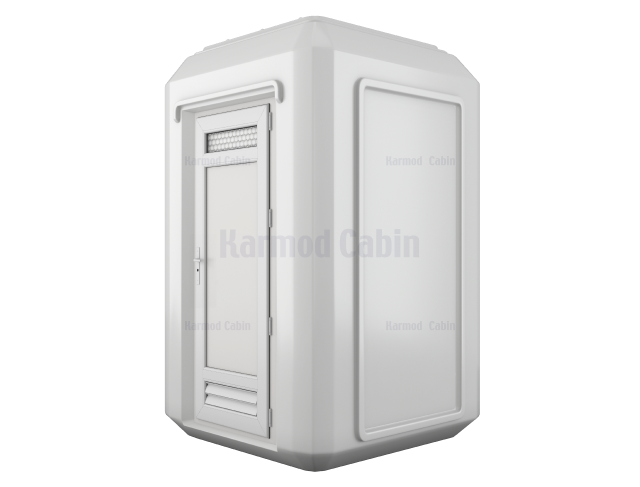
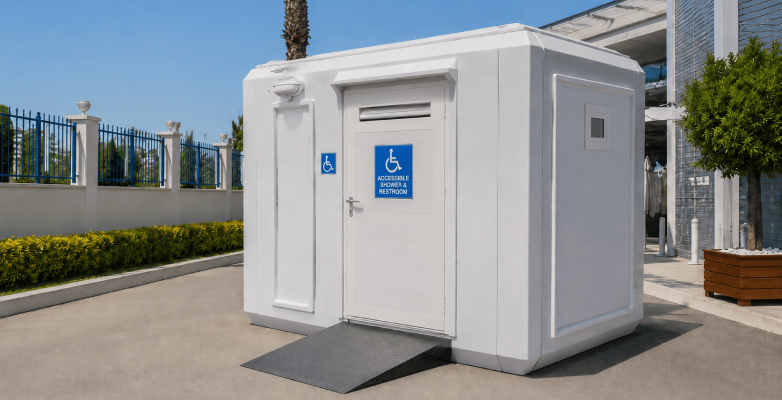
Karmod Cabin supports project-based sanitary and accessibility needs through solutions such as medical cabin, event area wc and accessible portable toilet options for different field and facility layouts.
A handicap walk in shower works best when safety, comfort and daily usability are planned together from the beginning.
What Is a Handicap Walk In Shower?
A handicap walk in shower is a shower area designed to make entry, movement and bathing easier for users with mobility challenges. It usually has a low-threshold or barrier-free entry, a non-slip floor surface, support bars and enough space for safer movement.
Some showers are designed for users who can walk with support. Others are planned for wheelchair access or caregiver assistance. The right design depends on who will use the shower, how often it will be used and whether the space is part of a home, medical facility, public area or temporary project site.
In simple terms, a handicap walk in shower should reduce obstacles. It should be easier to enter, easier to stand or sit in, easier to clean and easier to manage for both users and caregivers.
10 Best Powerful Solutions for Handicap Walk In Showers
1. Low-Threshold or Barrier-Free Entry
The entry point is one of the most important parts of an accessible shower. A high step can make bathing difficult or unsafe for elderly users and people with limited mobility. A low-threshold or barrier-free design helps users enter the shower with less effort.
This is especially important in spaces where users may rely on walkers, wheelchairs or caregiver support. The easier the entry, the more practical the shower becomes for daily use.
2. Slip-Resistant Flooring
Wet floors increase the risk of slipping. A slip-resistant surface can help create a safer bathing area, especially for seniors, patients and users who have balance concerns.
The floor should also be easy to clean. In healthcare, public-use or field-based sanitary areas, cleaning routines are part of long-term usability. A surface that supports both grip and hygiene is a stronger choice.
3. Proper Drainage Planning
A walk in shower needs reliable drainage. If water spreads outside the shower area, the restroom can become uncomfortable and unsafe. Proper slope, drain placement and floor planning help control water movement.
Drainage should be planned before installation, not fixed later. This is even more important in modular, temporary or project-based sanitary spaces where the layout must work efficiently from day one.
4. Grab Bars in the Right Places
Grab bars should be placed where users naturally need support. They can help with standing, sitting, turning and entering the shower. But placement matters. A grab bar that is too far away or installed at the wrong angle may not help when the user needs it most.
For accessible shower planning, support points should be selected according to the user profile and the way the shower will actually be used.
5. Built-In or Foldable Shower Seat
A shower seat can make bathing safer and more comfortable for users who cannot stand for long periods. Built-in seating can feel stable and permanent, while foldable seats can help save space when not in use.
This type of solution is useful for elderly users, rehabilitation spaces, medical support areas and facilities that serve people with different mobility levels.
For many users, a shower seat is not an extra comfort feature; it is what makes independent or assisted bathing possible.
6. Wider Interior Space
A standard shower may feel too narrow for users who need assistance. A handicap walk in shower should allow enough room for movement, turning and caregiver support when needed.
Wider space is also important for wheelchair users or users who need transfer support. In public, medical or project-based facilities, this detail can make the shower more useful for a wider range of people.
7. Handheld Shower System
A handheld shower makes bathing easier because the user or caregiver can control the water direction more comfortably. This is helpful for seated users, limited-mobility users and assisted care situations.
The shower control should also be reachable. If controls are placed too high, too low or too far from the seating area, the shower may become harder to use.
8. Easy-to-Clean Wall and Surface Materials
Accessible showers should be practical for daily cleaning. Smooth wall panels, durable surfaces and moisture-resistant materials can reduce cleaning effort and support better hygiene.
This is important in high-use environments such as medical areas, event facilities, temporary field spaces and public-use sanitary units. For project-based settings, a practical surface can be just as important as the shower layout itself.
9. Privacy and User Comfort
Accessibility should not ignore privacy. A well-designed shower should make users feel safe and comfortable, not exposed or rushed. Curtain placement, door design, interior layout and caregiver access should be planned carefully.
In facilities used by different people throughout the day, privacy planning helps improve the user experience and supports more respectful care.
10. Connection With the Full Sanitary Layout
A handicap walk in shower should not be planned as a separate item. It should work with the toilet area, handwashing point, changing space, entrance, drainage and cleaning routine.
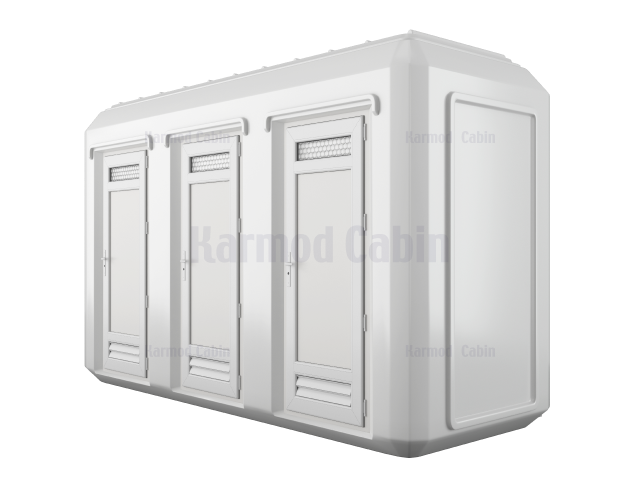
For larger projects, the shower may be part of a wider sanitary setup. For example, event area wc solutions can support restroom and shower needs in outdoor or temporary areas, while a medical cabin can support health-related spaces where accessibility and hygiene are both important.
Key Planning Points Before Choosing a Handicap Walk In Shower
Before choosing a handicap walk in shower, start with the user. Is the shower for elderly users, wheelchair users, patients, public visitors or workers in a field facility? Each group may need a different layout.
Then review the space. Check entry width, turning space, floor slope, drain position, water access, privacy and cleaning needs. A shower that looks accessible in a product photo may not work well if the surrounding space is too tight.
Also think about long-term use. Will the shower be used daily? Will caregivers need to assist users? Will the facility serve different user types? These questions help determine whether the design should be more compact, more open, more durable or more medical-focused.
The best accessible shower is the one that fits the user, the facility and the real routine of the space.
Where Handicap Walk In Showers Can Be Used
Handicap walk in showers can be used in many settings. They are common in senior-friendly homes, care facilities, rehabilitation spaces, medical support areas, accessible public restrooms, event facilities and temporary sanitary spaces.
They can also be useful in project-based environments where accessible hygiene support is needed for workers, visitors, patients or community users. In these cases, the shower should be planned together with restroom access, privacy, water supply, drainage and maintenance.
For outdoor or temporary use, durable cabin-based sanitary solutions can help create more organized spaces. A polyester cabin can also be evaluated in field-use projects where durability and practical placement are important.
How Karmod Cabin Supports Accessible Sanitary Spaces
Accessible shower planning is not only about installing a single shower unit. It is about creating a sanitary area that people can use safely and comfortably. The layout, structure, restroom access, water system, cleaning routine and user flow all need to work together.
Karmod Cabin develops sanitary and cabin solutions for different project needs, including medical areas, event sites, accessible restroom units and temporary field facilities. This helps businesses, public projects and site operators create more practical sanitary spaces for users with different mobility needs.
Final Thoughts
Handicap walk in showers are becoming more important because accessibility is no longer a secondary detail. Whether the project is a healthcare space, public-use facility, event area or temporary field setup, the shower must be safe, easy to enter, practical to clean and comfortable to use.
Before making a final decision, review the entry design, floor surface, seating, grab bars, drainage, privacy and available space. When these details are planned together, a handicap walk in shower can support safer bathing, better hygiene and a more user-friendly facility.


 EN
EN
 DE
DE
 ES
ES
 PT
PT
 RU
RU
 AR
AR
 GR
GR
 RO
RO
 KA
KA
 CS
CS