Why Wall-Hung Toilet Installation Is Becoming More Popular
If you are planning a restroom upgrade in 2026, a wall-hung toilet can look like a simple design choice at first. The bowl sits above the floor, the tank is hidden inside the wall and the whole space feels cleaner. But the real value is not only visual. A good wall-hung toilet installation can make a restroom easier to clean, easier to use and easier to plan in compact or high-traffic spaces.
This is why wall-hung toilets are now used in more than modern homes. They are also becoming common in commercial restrooms, healthcare spaces, accessible bathrooms, office facilities, modular sanitary areas and project-based restroom layouts. When the wall structure, plumbing and carrier frame are planned correctly, the result can be both practical and long-lasting.
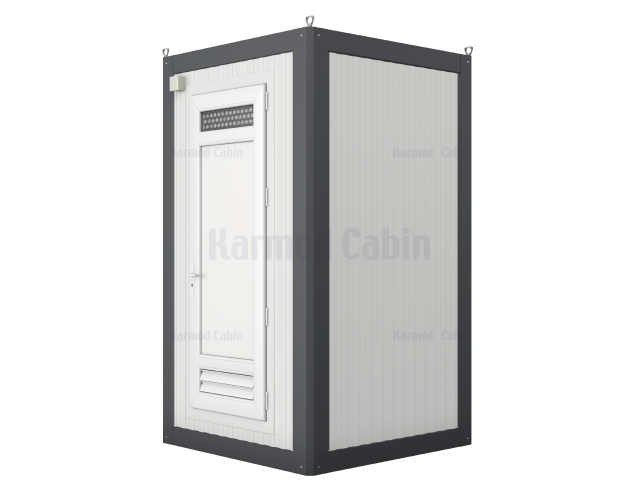
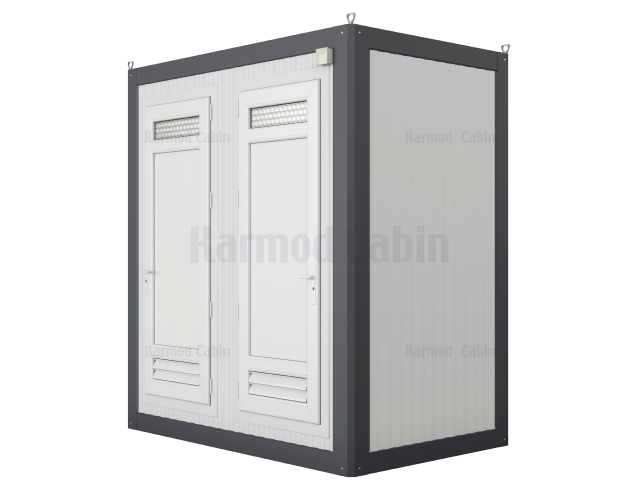
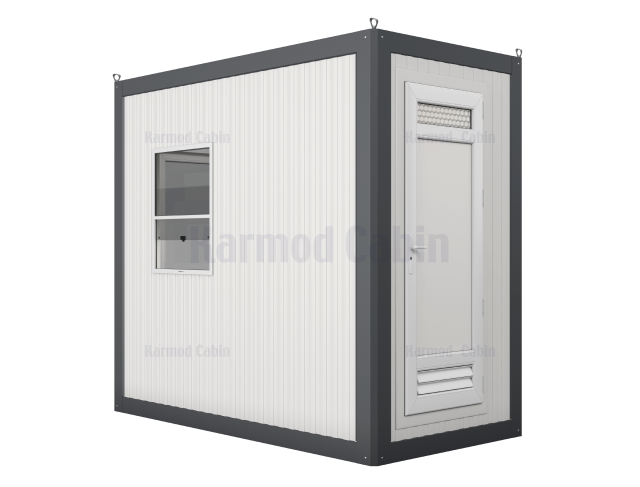
For project-based sanitary spaces, the toilet is only one part of the full layout. The surrounding structure, user access, cleaning routine and maintenance plan matter just as much. Karmod Cabin supports different sanitary and field-use layouts through solutions such as cabin, event area wc, portable toilet and related cabin systems.
A wall-hung toilet is best for spaces where floor clearance, easier cleaning and a modern restroom layout are important.
What Is a Wall-Hung Toilet?
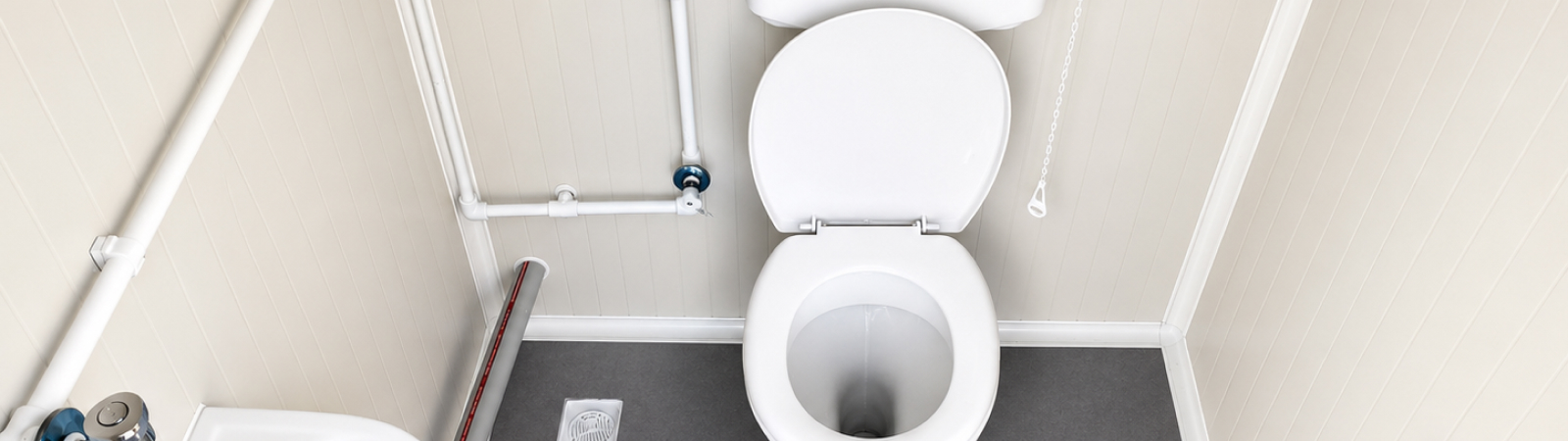
A wall-hung toilet is mounted to a carrier frame that is fixed inside the wall. The visible part is the bowl and flush plate. The tank, waste connection and support structure stay behind the finished wall surface. This gives the toilet a floating appearance and keeps the floor area open.
The most important part of the system is the carrier frame. It carries the weight of the bowl and the user, holds the concealed tank, connects the plumbing and sets the final bowl height. Because most of the system is hidden after installation, planning must happen before the wall is closed.
In simple terms, a wall-hung toilet saves visible space by moving the tank into the wall. It also removes the toilet base from the floor, which makes cleaning easier. However, it needs stronger planning than a standard floor-mounted toilet. The wall must be suitable, the plumbing must align correctly and future service access should be considered from the beginning.
7 Powerful Benefits of Wall-Hung Toilet Installation
1. It Makes Small Restrooms Feel Larger
Wall-hung toilets are useful in compact bathrooms because they keep more of the floor visible. Even when the actual square footage does not change, the room can feel more open. This matters in small restrooms, sanitary cabins, office bathrooms, medical spaces and public-use facilities where every inch counts.
A concealed tank also reduces visual clutter. Instead of a bulky toilet base and exposed tank, the design looks clean and simple.
2. It Makes Cleaning Much Easier
One of the most practical benefits is cleaning. Floor-mounted toilets have bases, edges and hard-to-reach contact points where dust, moisture and dirt can collect. A wall-hung toilet removes that base completely.
For busy restrooms, this can make a real difference. Cleaning teams can wipe the floor more easily, reach under the bowl faster and keep the area more hygienic with less effort. This is especially valuable in commercial restrooms, healthcare support areas and temporary sanitary facilities with frequent daily use.
3. It Supports a More Modern Restroom Design
A wall-hung toilet gives the restroom a cleaner and more modern appearance. The hidden tank, flush plate and floating bowl create a simple layout that works well in contemporary spaces.
This can matter in customer-facing or staff-facing facilities. A restroom does not need to be luxury to feel organized. Sometimes, a cleaner layout, open floor and well-positioned fixtures are enough to make the space feel better designed.
4. It Can Be Installed at a More Comfortable Height
A wall-hung toilet allows the bowl height to be set during installation. This can help create a more comfortable user experience, especially in accessible bathrooms, healthcare areas, senior-friendly spaces or facilities used by different user groups.
The right height depends on the project. A restroom for office staff may not need the same planning as a medical support space or an accessible sanitary unit. That is why height should be discussed before the carrier frame is fixed and the wall is finished.
The most important installation decisions are made before the toilet is visible, not after the bathroom is finished.
5. It Keeps Plumbing and Tank Components Hidden
For many users, the clean look is one of the main reasons to choose a wall-hung toilet. The tank and several plumbing parts are hidden behind the wall, leaving only the bowl and flush plate visible.
This creates a neat appearance, but it also means access planning is important. Many systems allow service through the flush plate, but the installer should confirm how the internal parts will be reached later. A beautiful restroom can quickly become a problem if basic maintenance access is ignored.
6. It Works Well in Project-Based Restroom Areas
Wall-hung toilets can be useful in projects where sanitary planning is part of a larger facility setup. They can be considered for office areas, event restrooms, medical support areas, accessible facilities, modular buildings and long-term field-use spaces.
For example, an office cabin may need a compact and easy-to-clean restroom area. A medical cabin may need a more accessible and hygienic layout. A panel cabin can also be part of a wider site plan where sanitary space must be practical, durable and easy to manage.
7. It Can Support Better Long-Term Use
A wall-hung toilet can be a strong long-term choice when the installation is done correctly. The carrier frame provides support, the floor stays easier to clean and the concealed design can help protect the tank area from direct contact.
But the long-term value depends on details. The wall must be strong enough. The frame must be level. The waste line and water supply must be aligned properly. The flush plate should be accessible. The final height should match the users.
A wall-hung toilet is not difficult to appreciate once it is installed well. The challenge is making the right decisions before installation starts.
Key Planning Points Before Installation
Before choosing a wall-hung toilet, the first thing to check is the wall. The system needs a suitable structure that can hold the carrier frame and support daily use. In many projects, this may require reinforced framing or a wall setup planned specifically for the toilet system.
The second point is plumbing. The waste outlet, water supply and carrier frame must match the selected product. Replacing a standard floor-mounted toilet with a wall-hung model may require more work because the connections are different.
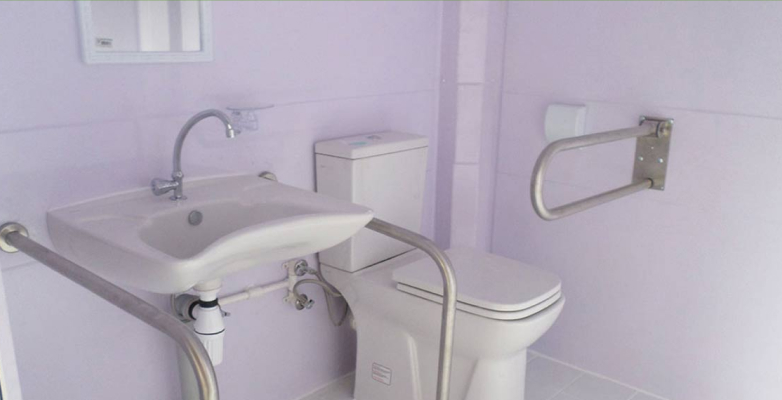
Clearance is another detail that should not be skipped. Users need enough space in front of and around the toilet. In accessible restrooms, this becomes even more important. Door swing, turning space, side clearance and nearby fixtures should all be considered.
Moisture protection also matters. Since the concealed tank and plumbing are inside the wall, the system should be tested before the wall is closed. It is much easier to solve an issue before tile, panels or finishing materials are installed.
Common Mistakes to Avoid
A common mistake is choosing the toilet first and checking the wall later. The product may look right, but the wall may not be ready for the carrier system. This can create extra cost, delays or installation problems.
Another mistake is ignoring access for future maintenance. The flush plate usually gives access to internal components, but the project team should still understand how the system will be serviced.
Some projects also underestimate placement. A wall-hung toilet can save space, but it still needs proper clearance. If the toilet is placed too close to other fixtures, doors or partitions, the final restroom may look good but feel uncomfortable to use.
The last mistake is treating installation as only a plumbing task. Wall-hung toilet installation also involves framing, alignment, finish planning and long-term usability.
Where Wall-Hung Toilets Can Be Used
Wall-hung toilets can be used in many restroom environments. They are suitable for homes, office buildings, healthcare support spaces, public restrooms, event facilities, accessible bathrooms and modular sanitary areas.
In high-use spaces, they help with cleaning and floor access. In compact spaces, they help the room feel more open. In accessible spaces, they can support more thoughtful height and layout planning. In project-based facilities, they can be part of a wider sanitary setup that includes restroom, shower, office or medical support units.
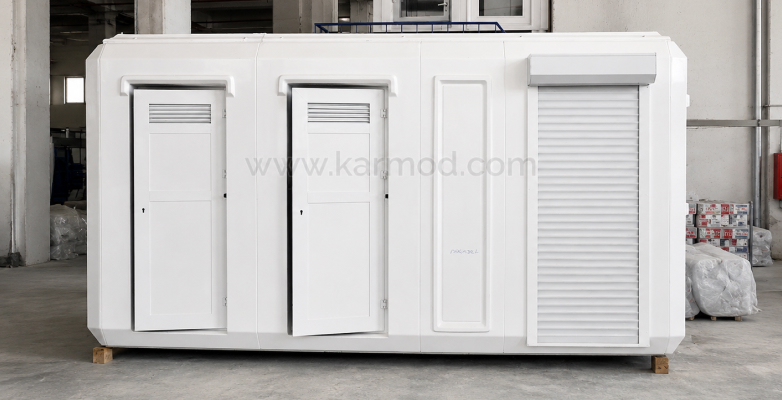
For event and field-use projects, an event area wc solution may be more suitable depending on the project type. For accessible restroom planning, a dedicated portable toilet option can support users who need wider access and easier movement.
How Karmod Cabin Supports Sanitary Space Planning
A good restroom layout is not only about the toilet model. It is about how the space works for real people. Who will use it? How often will it be cleaned? Is accessibility needed? Will the restroom be part of a temporary field setup, a medical area, an event space or an office facility?
Karmod Cabin develops cabin and sanitary solutions for different project needs, including field operations, medical spaces, event areas, office support units and accessible restroom layouts. This helps project owners think about sanitary areas as part of the full site plan rather than a separate afterthought.
The best restroom solution is the one that fits the users, the space and the way the facility will actually operate.
Final Thoughts
Wall-hung toilet installation can offer real benefits in 2026, especially for projects where space, hygiene, accessibility and design all matter. It can make cleaning easier, improve the look of the restroom and support more flexible layouts.
Still, the success of the installation depends on the hidden work behind the wall. Before making a final decision, review the carrier frame, wall structure, plumbing alignment, clearance, access and long-term maintenance needs. When these details are handled early, a wall-hung toilet can become a practical and reliable part of a modern sanitary space.


 EN
EN
 DE
DE
 ES
ES
 PT
PT
 RU
RU
 AR
AR
 GR
GR
 RO
RO
 KA
KA
 CS
CS