When a Portable Toilet Permit Is Usually Needed
In many cases, you may need a permit for a portable toilet when it is placed on public property, used for a public event, connected to a construction or commercial site, or required as part of a larger sanitation plan. If the unit is placed on private property for a short period, a permit may not always be required, but local city, county, health department, park authority, or property management rules can still apply. The safest answer is simple: before placing a porta potty, check where it will be used, how long it will stay there, who will use it, and whether the site is open to the public.
This question comes up often because portable restrooms are used in many different situations. A homeowner may need one during a backyard renovation. An event organizer may need several units for an outdoor festival. A contractor may need restroom access for workers on a jobsite. A school, medical site, park, or business may need temporary sanitation while existing facilities are closed. Each use case can have different rules.
A portable restroom permit is usually less about the toilet itself and more about public access, health, safety, traffic flow, placement, and maintenance. Local authorities want to know whether the unit blocks a sidewalk, creates a sanitation issue, affects drainage, sits near food service, interferes with emergency access, or fails to provide accessible restroom options where they are required.
The main question is not only whether you need a portable toilet, but whether its placement affects public space, public health, accessibility, or site safety. That is why the same unit may be allowed without a permit on one private property but require approval when placed in a park, street, school field, public event area, or commercial construction site.
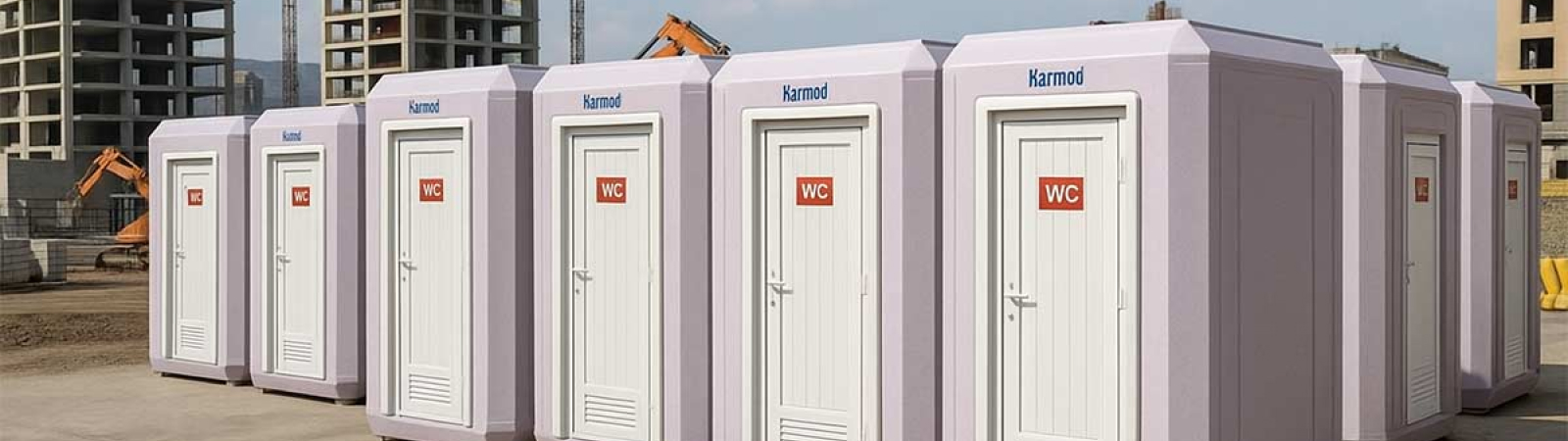
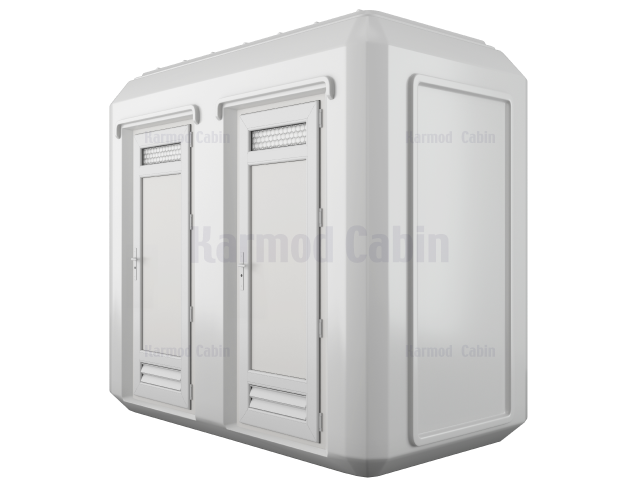
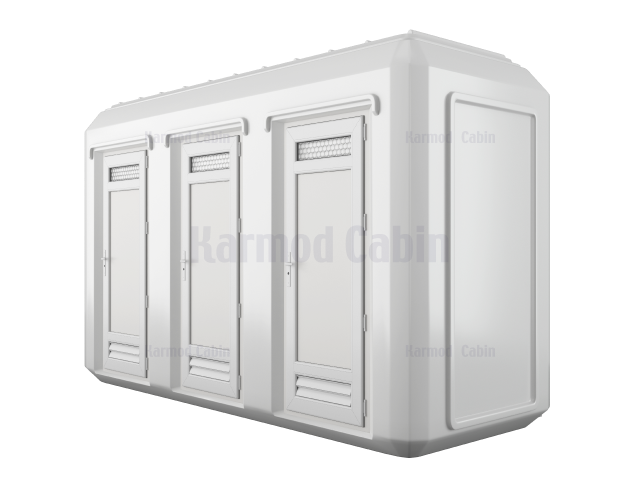
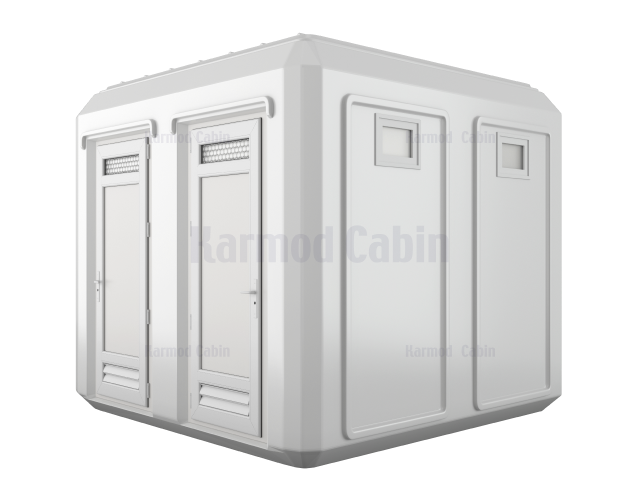
Karmod Cabin provides modular and portable building solutions for different field-use needs, including restroom, office, medical, event, and accessible cabin options for organizations that need practical site facilities.
Private Property vs Public Property
The first thing to understand is the difference between private property and public property. If a portable toilet is placed on private land for a short-term project, such as a home renovation, landscaping work, or a small private gathering, a permit may not be necessary in many areas. Still, that does not mean there are no rules. Homeowner associations, property managers, gated communities, commercial landlords, and local ordinances may have their own placement restrictions.
Public property is different. If the portable toilet will be placed on a sidewalk, public street, park, beach, public school field, municipal lot, public plaza, or government-managed event space, approval is much more likely to be required. The reason is that public property must remain safe, accessible, and usable for everyone. A restroom unit cannot block pedestrian movement, emergency access, ADA routes, bike lanes, public entrances, or utility access points.
Event organizers often run into this issue when planning outdoor activities. A private event held in a backyard may not need the same approval as a festival in a city park. A small company picnic on private grounds may be treated differently from a public fair with food vendors, ticketing, security, and large attendance. The more public the site becomes, the more likely it is that a permit, sanitation plan, or site layout approval will be requested.
Placement also matters. Even on private property, a unit placed near a public sidewalk, road, storm drain, neighboring property line, or food service area may raise concerns. Local authorities may require the toilet to be placed a certain distance from water sources, entrances, kitchens, or high-traffic areas. That is why it is better to confirm the rules before delivery instead of moving the unit after complaints or inspection issues.
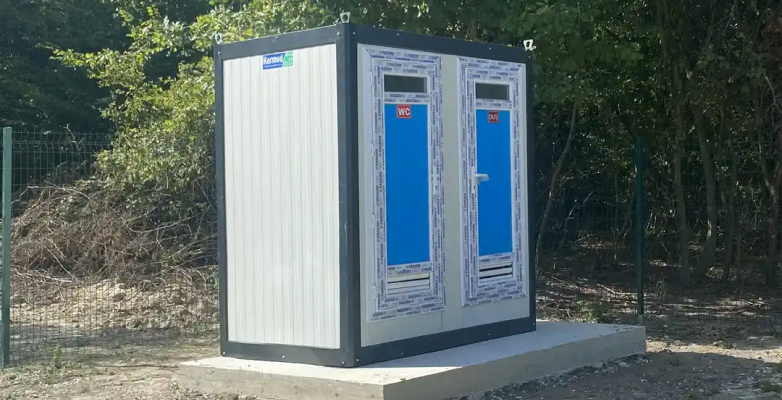
Common Situations That May Require Approval
Portable toilet rules change by location, but the same situations tend to create permit questions across many U.S. cities, counties, and event sites. The need for approval usually depends on where the unit is placed, how many people will use it, and whether the public has access to the area.
- Common situations that may require a permit or approval include:
- Outdoor events held in public parks, streets, beaches, fairgrounds, plazas, or municipal spaces
- Construction sites where worker sanitation is part of jobsite compliance
- Festivals, concerts, graduations, school events, sports tournaments, and community gatherings
- Long-term portable restroom placement on commercial, industrial, or multi-use properties
- Units placed near sidewalks, public roads, parking lots, drainage areas, or pedestrian routes
- Events with food vendors, alcohol service, ticketing, temporary structures, or high attendance
- Sites that require ADA-accessible restroom access for visitors, workers, students, or guests
This does not mean every portable restroom needs a complex permit process. In some cases, the portable toilet company, event venue, contractor, or site manager already understands the local rules and can guide the placement plan. In other cases, you may need to contact the local health department, building department, parks department, event permitting office, or property owner.
The key is to avoid treating restroom planning as a last-minute detail. If the event layout, construction schedule, or public access plan is already approved, adding portable toilets later may create delays. It is better to include sanitation planning early, especially for large events, schools, healthcare sites, public-facing businesses, and construction projects.
A modular cabin can support many of these site needs beyond restroom use, especially when a project also needs temporary office, medical, storage, or staff support space.
Why Local Rules Matter
There is no single portable toilet permit rule that applies the same way across the entire United States. Requirements can vary by state, county, city, venue, landowner, and type of use. A city may require approval for any unit placed on public property. A park department may require a restroom plan for events above a certain attendance level. A construction site may need sanitation facilities as part of worker safety requirements. A school or healthcare site may need additional review because students, patients, or public visitors are involved.
This is why local rules matter more than general assumptions. A portable toilet placed for two days on a private construction site may be treated differently from one placed for the same two days in a public park. A small private wedding may not face the same requirements as a street festival. A temporary restroom near a medical facility may need different access and hygiene planning than one used at a remote jobsite.
Local officials may look at several details. They may ask how many people will attend, how long the unit will remain, where waste service trucks will access the site, how often the unit will be cleaned, whether handwashing is available, whether accessible restrooms are provided, and whether the unit affects public movement.
Permit requirements often depend on the full site plan, not only on the number of portable toilets being used. This is an important point for event planners and facility managers. A small number of units may still need approval if they are placed in a sensitive location. A larger number may be easier to approve if they are included in a well-organized sanitation and access plan.
For businesses, schools, and public facilities, documenting the plan can also help. A simple layout showing restroom locations, service access, handwashing points, ADA units, entrances, exits, and nearby activity zones can make discussions with property managers or local departments easier.
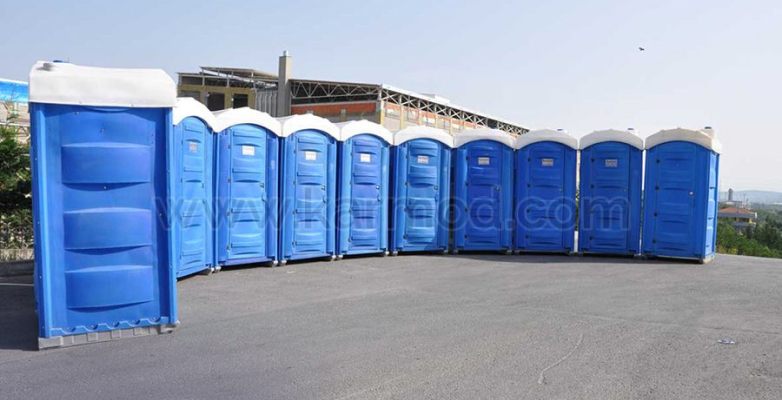
Planning Restroom Access for Events and Job Sites
Portable toilet planning should begin with the people using the site. A restroom that is technically available but too far away, poorly placed, or hard to access may not solve the problem. For outdoor events, guests need restrooms near activity areas without blocking lines, food vendors, emergency lanes, or pedestrian paths. For construction sites, workers need access that is close enough to be practical but positioned safely away from active hazards.
At events, restroom demand changes throughout the day. Lines may form during breaks, before performances, after ceremonies, or near food and beverage areas. Placing all units in one far corner may look neat on a map, but it can create crowding and long walking distances. Larger sites often work better with restroom clusters placed near key activity zones.
For jobsites, placement should consider worker movement, service truck access, ground conditions, and safety boundaries. A portable restroom should not be placed where it blocks equipment, creates a tipping risk, or forces workers to cross unsafe areas. It should also be serviced regularly enough for the size and duration of the project.
Schools and campuses have their own planning needs. A restroom unit near an athletic field may support sports events, field days, graduations, and outdoor programs. A restroom near a renovation zone may help staff and contractors while indoor facilities are unavailable. A separate accessible unit may be needed to support students, families, and visitors during public events.
An event area wc solution can be useful when outdoor gatherings, school events, jobsite operations, or temporary public facilities require organized restroom access in a defined area.
Accessibility and ADA Considerations
Accessibility is one of the most important parts of portable restroom planning. If a site is open to the public, used by employees, or connected to a public institution, accessible restroom access may be required. Even when the legal requirement is unclear, providing accessible options is a better experience for guests, workers, students, parents, and visitors.
An accessible portable restroom should be placed where people can actually reach it. It should not be hidden behind equipment, placed on unstable ground, blocked by cables, or located far away from the main activity area. The route to the unit should be considered as carefully as the unit itself. A restroom may be designed for accessibility, but if the path to it is difficult or unsafe, the site still creates a problem.
For events, accessible units should usually be included near restroom clusters instead of isolated in a separate area. For schools, they should be located where students, staff, and visitors can reach them without unnecessary travel. For construction sites or commercial projects, accessible restroom planning may be part of broader worker and visitor access requirements.
A portable toilet designed for disabled users can help sites provide more inclusive restroom access during events, construction phases, renovations, outdoor programs, or temporary facility changes. This is especially important when existing restroom access is limited or unavailable.
Accessibility is not only about compliance. It affects dignity, comfort, and whether people can use the site without having to ask for special arrangements. For public-facing organizations, that matters.
More Than Restrooms: Supporting the Whole Site
Many projects that need portable restrooms also need other temporary or modular facilities. A construction site may need an office for supervisors. A school renovation may need a nurse room or administrative space. An outdoor event may need staff areas, medical support, storage, ticketing, or security points. Thinking only about restroom units may solve one issue while leaving several others unresolved.
This is where modular planning becomes useful. A site can be organized with separate but connected functions: restrooms for users, an office for staff, a medical point for support, and storage or service space for operations. This creates a more controlled environment, especially when the site is temporary, crowded, or changing over time.
An office cabin can support project managers, event teams, school administrators, security staff, or field supervisors who need a defined workspace close to the activity area. This is especially helpful on jobsites, campuses, parks, and commercial properties where indoor office space is limited.
A medical cabin can support first-aid, health screening, nurse use, or temporary care functions. At large events, schools, sports areas, and public facilities, having a medical support point near the activity zone can improve response time and make the site easier to manage.
Karmod Cabin offers modular and portable structures that can support restroom, medical, office, event, and field-use needs for organizations planning temporary or semi-permanent facilities. For many projects, the strongest setup is not one isolated unit, but a group of site facilities planned around how people enter, move, work, wait, and receive support.
How to Avoid Problems Before Delivery
The easiest time to fix a portable toilet placement issue is before the unit arrives. Once the restroom is delivered, moving it can cost time, create schedule pressure, or require another approval. A little planning before delivery can prevent complaints, inspection problems, accessibility issues, and service delays.
Start by confirming who controls the property. A city park, private venue, school district, commercial landlord, homeowner association, and construction site owner may all have different approval processes. Then confirm whether the unit will be visible or accessible from public property. If it affects a sidewalk, street, parking area, event entrance, or public path, additional approval may be needed.
Next, think about service access. Portable restrooms need cleaning and waste removal. If a service truck cannot reach the unit safely, the placement may not work. Avoid areas blocked by parked cars, tight gates, soft ground, steep slopes, or heavy pedestrian traffic. Also consider lighting, weather exposure, ground stability, and distance from food service or water areas.
Finally, check whether accessible restroom options are needed. Public events, schools, commercial sites, government facilities, and workplaces may require accessible units or specific placement standards. Even when the rules vary locally, it is better to include accessibility in the plan from the beginning.
A portable toilet permit may seem like a small detail, but it can affect whether an event, construction site, school program, or temporary facility runs smoothly. The best approach is to plan early, check local requirements, choose the right restroom type, and place each unit where it supports the people using the site.


 EN
EN
 DE
DE
 ES
ES
 PT
PT
 RU
RU
 AR
AR
 GR
GR
 RO
RO
 KA
KA
 CS
CS