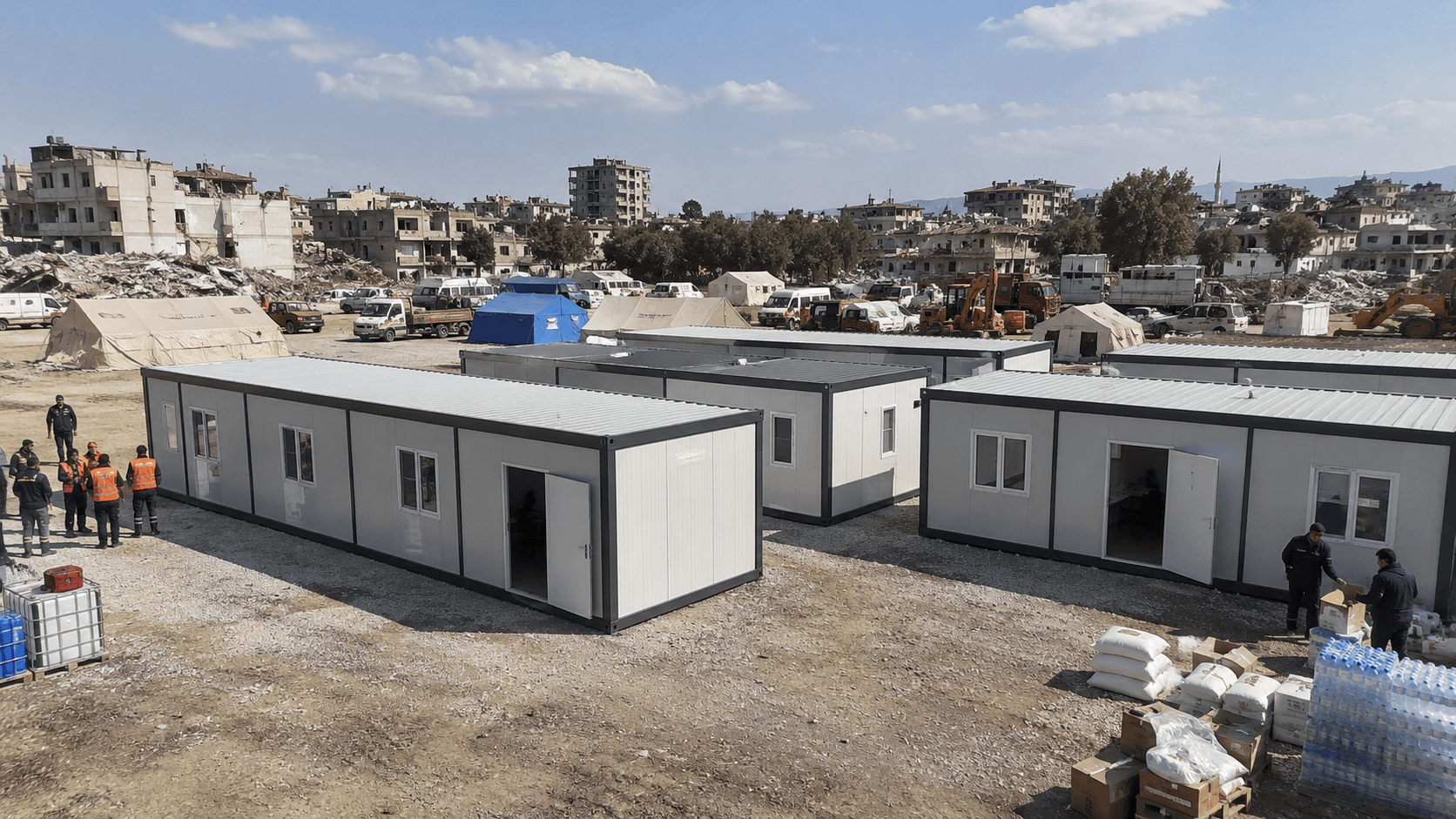
Disaster relief and emergency response operations need fast, organized and practical spaces in difficult field conditions. After earthquakes, floods, storms, fires or other emergency situations, teams may need coordination offices, sanitary units, medical support areas, staff rooms, security points and temporary service spaces.
In emergency areas, time and organization are critical. Response teams must create usable spaces quickly while managing people flow, aid distribution, hygiene needs and field coordination. Cabin solutions can help build a more structured response environment when permanent facilities are unavailable, damaged or insufficient.
Karmod Cabin offers cabin solutions that can support emergency response teams, public institutions, NGOs, field service providers and aid organizations. A standard Cabin can be used as a coordination room, service point, guard unit or staff support area, while Portable Cabins can support wider field layouts with different usage options.
Why Disaster Relief and Emergency Response Areas Need Cabin Solutions?
Emergency areas often lack stable infrastructure. Roads, buildings, water systems and sanitary facilities may be damaged or limited. In these conditions, response teams need practical spaces that can be placed close to the affected area and used for essential services.
Cabin solutions help emergency teams create structured spaces for coordination, hygiene, safety and basic field services. This is especially important when large numbers of people need support in a short time.
A response area may need medical support cabins, information points, sanitary units, security cabins, staff rest areas and service coordination rooms. These units can help separate different functions and make field operations easier to manage.
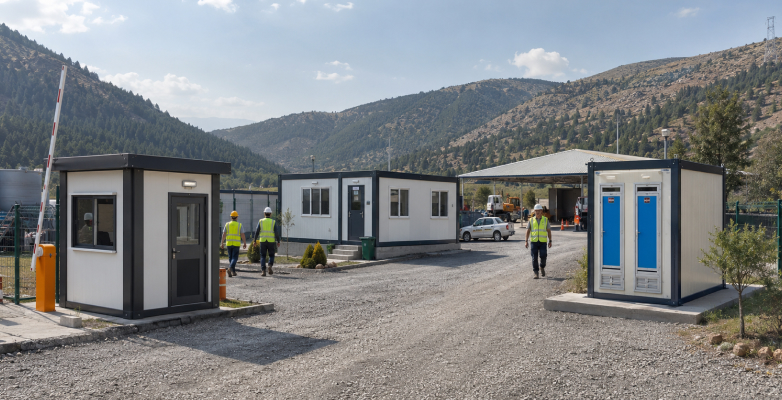
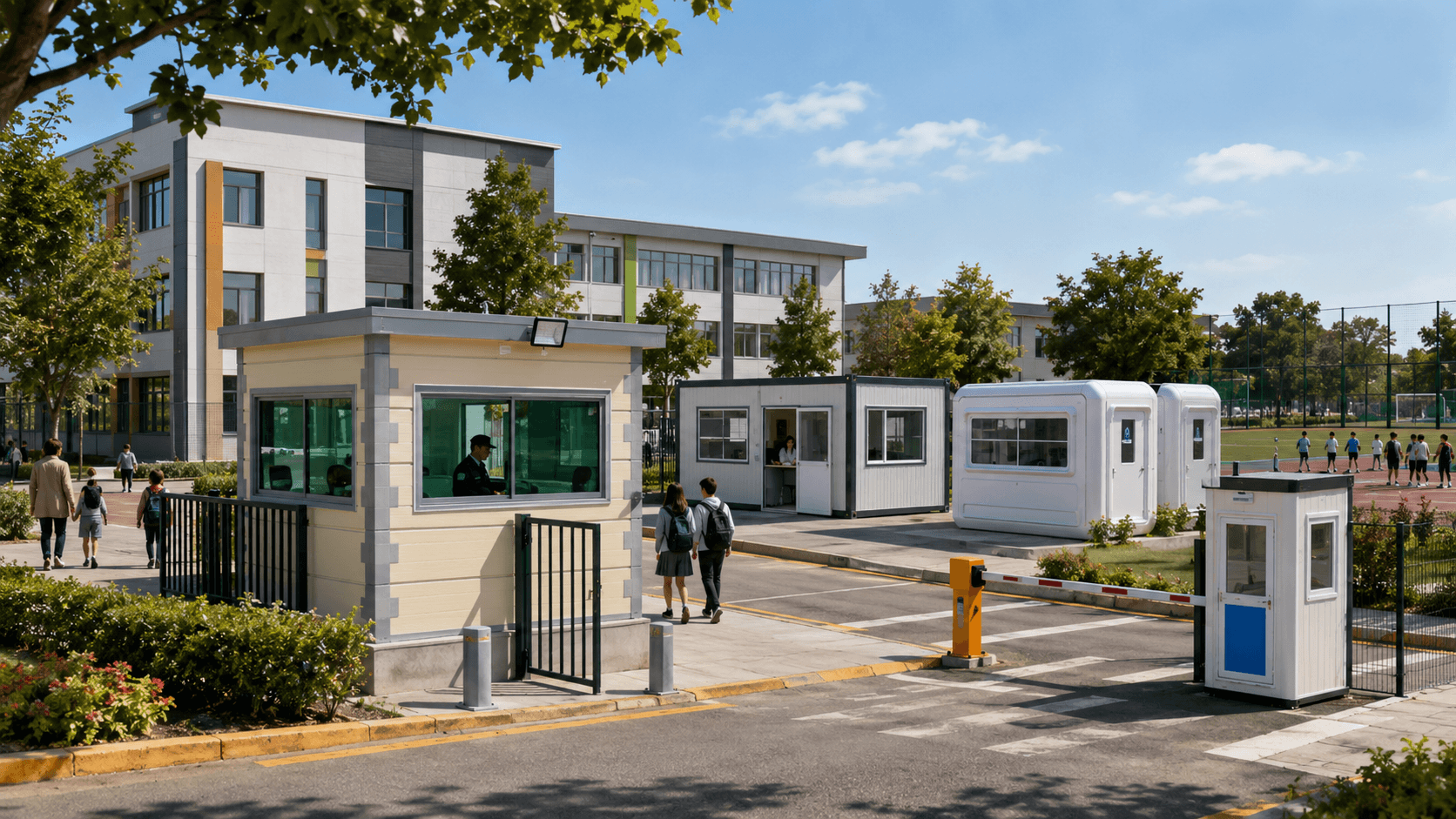
For access control and safety, a Safety Cabin can be placed at distribution points, emergency camps, restricted zones or response coordination areas. If vehicle movement is intense, a Parking Booth can help manage aid vehicles, staff parking and service access.
Key Benefits of Cabin Solutions for Disaster Relief and Emergency Response
The main benefit is fast field organization. In emergency response, teams cannot wait for permanent buildings. Cabin solutions allow essential areas to be created in a more practical way, helping response teams start work faster.
Another benefit is separation of functions. A disaster response area may need different zones for medical support, sanitation, coordination, staff rest, security and public guidance. Cabins make it easier to define these areas clearly.
Hygiene is also a priority. In crowded emergency areas, sanitary planning directly affects public health and comfort. Portable Toilet units can support urgent sanitary needs, while a Disabled WC Cabin can help create more accessible facilities for different users.
Durability matters in emergency fields. Units may be exposed to weather, heavy use and unstable conditions. Products such as Panel Cabins, Polyester Cabin and Mobo Cabin can be evaluated according to field conditions, expected use and response duration.
A well-planned cabin layout can help emergency teams deliver services more safely, clearly and efficiently.
Recommended Cabin Types for Disaster Relief and Emergency Response
Emergency response areas may require different cabin types depending on the situation. Coordination cabins can be used by public institutions, emergency teams, field managers and aid organizations for planning, communication and documentation.
Medical cabins can support first-aid, basic care, health checks or triage-related functions. Staff cabins can be used as rest areas, briefing rooms or support units for response teams working long hours in the field.
Sanitary cabins are essential in emergency areas where infrastructure is damaged or not available. Toilet and accessible WC solutions can help improve hygiene and support daily needs for affected communities, workers and volunteers.
Security cabins and control units can support crowd management, restricted access, aid distribution points and vehicle movement. In larger response areas, multiple cabins may be used together to create a more organized field layout.
Common Use Areas in Disaster Relief and Emergency Response
Cabin solutions can be used in emergency camps, aid distribution areas, temporary medical points, public service zones, staff coordination areas, sanitary zones and vehicle control points.
They can also support disaster preparedness projects before emergencies happen. Public institutions, municipalities, NGOs and industrial facilities may use cabin solutions as part of emergency planning for temporary offices, first response points, sanitary facilities and staff coordination units.
Disaster relief cabin planning also connects naturally with other sector-specific solutions:
- Medical Cabin Solutions
- Cabin Solutions for Workforce Camps
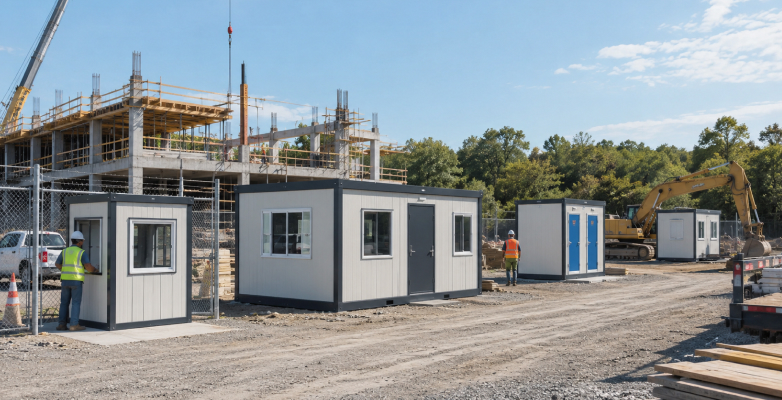
- Cabin Solutions for Construction Sites
- Military Cabin Solutions
- Cabin Solutions for Industrial Facilities
- Cabin Solutions for Transportation and Parking Areas
- Commercial Cabin Solutions
- Cabin Solutions for Events and Festivals
- School Cabin Solutions
Customizable Cabin Designs for Disaster Relief and Emergency Response
Emergency response cabin design should be planned according to field use. A coordination unit, medical cabin, sanitary cabin and staff rest area each need a different layout. Access direction, interior flow, ventilation, hygiene details and service purpose should be considered.
Cabins can be customized with different dimensions, door and window positions, insulation, electrical systems, sanitary equipment, lighting, ventilation and interior partitions. These options help response teams create more useful spaces under difficult conditions.
Why Choose Karmod Cabin for Disaster Relief and Emergency Response?
Emergency response projects need cabin solutions that are practical, durable and suitable for urgent field use. The right cabin setup can support coordination, hygiene, safety, healthcare access and service delivery.
Karmod Cabin can support disaster relief and emergency response projects with cabin alternatives for medical support, sanitary areas, staff rooms, access control and coordination units.
Get a Quote for Disaster Relief and Emergency Response Cabin Solutions
If you are planning emergency field facilities, temporary service points, sanitary areas, medical units or disaster response support spaces, cabin selection should begin with the real needs of the area.
A tailored cabin plan can help emergency response areas become more organized, accessible and service-ready. Explore suitable cabin solutions and request a sector-specific proposal based on your field requirements.


 EN
EN
 DE
DE
 ES
ES
 PT
PT
 RU
RU
 AR
AR
 GR
GR
 RO
RO
 KA
KA
 CS
CS